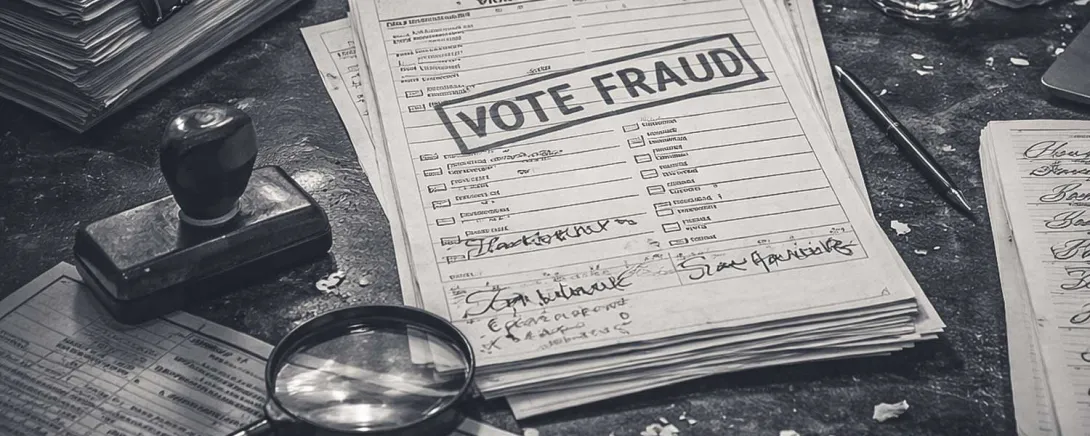
In modern political discussions, the term "voter fraud" is frequently used, often sparking concerns about the integrity of our democracy. While it is important to ensure every vote is legal, decades of research, government audits, and court cases have provided a clear picture of the reality on the ground.
Defining the Terms: Voter Fraud vs. Election Fraud
To understand the data, we must first distinguish between two terms often used interchangeably:
- Voter Fraud: Illegal acts committed by individual voters, such as voting twice, voting in the wrong jurisdiction, or impersonating someone else.
- Election Fraud: Illegal interference with the election process itself, such as an official tampering with ballot boxes or a candidate paying people for votes.
Research shows that both are exceptionally rare, but "voter fraud" is the most common concern raised during debates over laws like mandatory voter ID.
The Reality: A "Vanishingly Small" Occurrence
The consensus among nonpartisan experts, state election officials of both parties, and federal judges is that voter fraud is exceedingly rare.
By the Numbers:
- Pennsylvania: Over a 30-year period (including more than 100 million votes cast), only 39 cases of fraud were found.
- Arizona: Proven fraud over 25 years amounted to just 0.0000845% of total votes—a rate of less than one in a million.
- The 2020 Election: An Associated Press review of six battleground states found fewer than 475 potential cases of fraud out of 25.5 million ballots.
- Even the Presidential Advisory Commission on Election Integrity, established in 2017 to investigate fraud, disbanded without finding evidence of any systemic or significant fraud.
Why Is Fraud So Rare?
There are two primary reasons why individual voter fraud is statistically insignificant:
- High Risk, Low Reward: In the U.S., voting illegally is a felony. An individual risks years in prison and thousands of dollars in fines to cast a single extra vote that is almost certain not to change the outcome of an election.
- Security Layers: Election systems have built-in safeguards, such as signature matching, barcode tracking on mail-in ballots, and regular list maintenance to remove the deceased or those who have moved.
Debunking Common Myths
Many claims of "widespread fraud" evaporate under professional scrutiny. What often looks like fraud to an untrained observer is usually an administrative error:
- "Dead People Voting": Investigations usually find these are clerical errors, such as a son with the same name as his deceased father being credited for his father's record, or a voter who cast a mail-in ballot and then passed away before Election Day.
- Non-citizen Voting: While high-profile allegations occur, audits consistently show that non-citizens vote at a near-zero rate, as doing so puts their legal residency and potential for future citizenship at immediate risk of deportation.
- Impersonation at the Polls: This is the specific type of fraud that "Voter ID" laws are designed to stop. However, a study by Loyola Law School found only 31 credible incidents of impersonation out of more than 1 billion ballots cast between 2000 and 2014.
The Consensus on Outcomes
The U.S. Justice Department, under then-Attorney General Bill Barr in late 2020, confirmed there was no evidence of widespread fraud that could change an election result. While isolated incidents—such as a person voting for a deceased spouse or double-voting by mistake—are occasionally prosecuted, they are "one-off" acts rather than large conspiracies.
Statistically, these incidents amount to a tiny fraction of a percent. No U.S. election in modern history has been reversed or legitimately called into question due to proven voter fraud.
Why This Matters
Focusing on "vanishingly small" levels of fraud can sometimes distract from more systemic issues, such as ensuring aging voting machines are replaced, protecting election workers from harassment, and making sure all eligible citizens have easy access to the ballot. A secure democracy relies on both preventing the rare instances of fraud and ensuring that the system remains accessible to every legitimate voter.