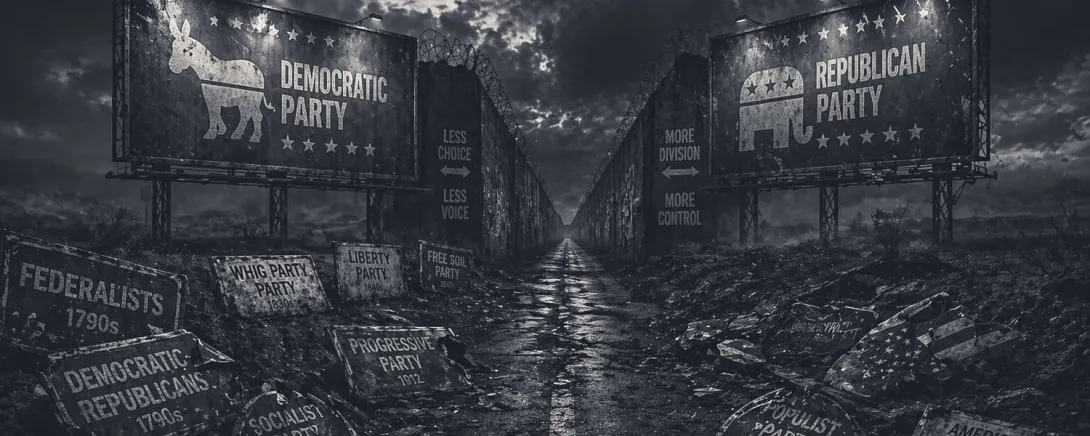
Since the Civil War era, the U.S. has seen two main parties—Democrats and Republicans—control most elections, especially for important offices like those in the U.S. House of Representatives. In fact, political experts say the average number of parties in the House has been about two. It is very rare for candidates from third parties or independents to win federal offices. The last time a true third-party candidate won a seat in the House was in 1948. This shows how deeply rooted the two-party system is.
How the Electoral System Encourages Two Parties
One of the biggest reasons the two-party system is so strong is the way elections are set up in the U.S. Political scientists explain this through something called Duverger’s Law. This law says that when each area elects only one representative (called single-member districts) and the candidate with the most votes wins, voters usually support one of the two biggest parties. This happens because voters don’t want to “waste” their vote on smaller parties that are unlikely to win. This “winner-take-all” system encourages people to choose between the two main parties rather than a third option.
The U.S. Electoral College, which is used to elect the president, also supports the two-party system. Most states give all their electoral votes to the candidate who wins the most votes in that state, making it very hard for third-party candidates to gain any electoral votes. This leads voters to stick with the main parties to have a real impact.
Legal and Institutional Barriers to Third Parties
Besides how elections are run, there are rules and laws that make it hard for third parties to compete. Over the 20th century, the two major parties passed stricter laws about how candidates get on ballots. Many states ask for thousands of signatures or require a certain percentage of votes in earlier elections for a party or candidate to qualify for the ballot. These rules mean it’s much harder for new or smaller parties to get noticed.
Earlier in American history, some third parties tried to work with the major parties through a process called “fusion,” where they would support the same candidates. But most states banned this practice to prevent minor parties from gaining influence. This ban weakened third parties because they lost a way to join forces with bigger parties and increase their chances of winning.
Another hurdle is the Commission on Presidential Debates, which sets high requirements for candidates to participate. For example, candidates often must reach at least 15% in national polls to join the debates. This rule stops many third-party candidates from getting the media attention they need to compete.
American democracy has “1,000 interests and only two parties.”
Why Does the Two-Party System Persist?
Scholars have studied why the U.S. mainly has two parties despite the presence of many different political ideas and interests. Political scientist E.E. Schattschneider famously said that American democracy has “1,000 interests and only two parties.” This means that all kinds of voters and ideas have to fit into two big parties.
Research shows that while strict ballot laws contribute to fewer third-party candidates, the main reason for the two-party system’s strength is the combination of election rules and advantages the major parties have built over time. The two big parties benefit from how voters think about elections, their ability to raise money, media coverage, and control over election rules. These factors work together to keep smaller parties from gaining ground.
The U.S. two-party system did not happen by accident. It has developed over many years due to the structure of elections, legal barriers, and political strategies by the major parties. Winner-take-all voting, difficult ballot access, and high debate thresholds all favor Democrats and Republicans while making it hard for third parties to succeed. Understanding this history helps explain why American politics looks the way it does today and why breaking the two-party dominance remains a challenge.